
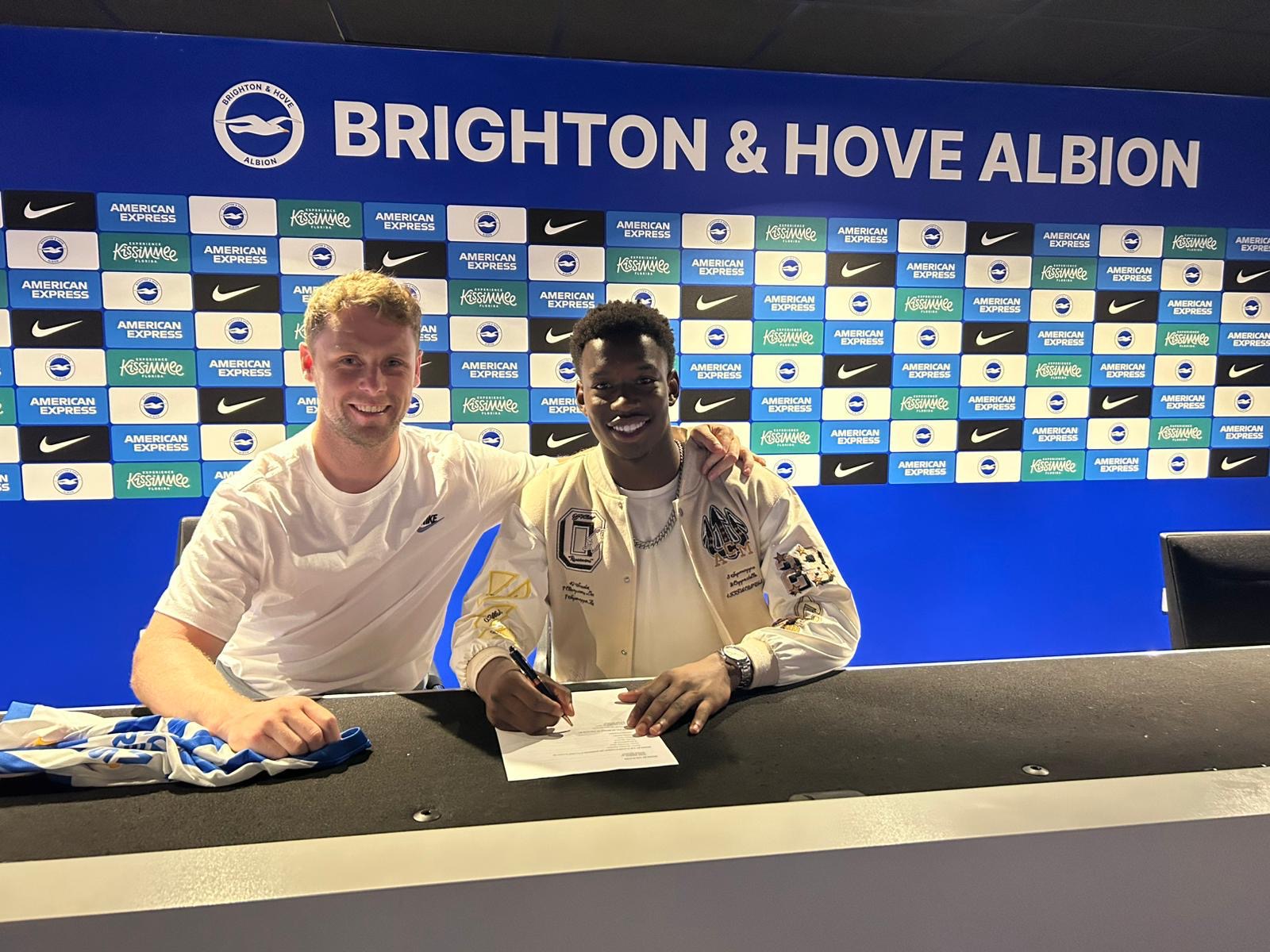
A Physical Education graduate who began his career as a PE teacher, Tommy Heffernan is the Founder and CEO of Tempo Football Academy.
He is a graduate of the MSc in Advanced Athletic Performance with Setanta College.
Below, Tommy discusses the risk that defined his career, how performance coaching scaled from players to an entire organisation, and what the MSc added along the way.
From the Classroom to Building Tempo
Tommy’s background sits at the meeting point of education, football and coaching.
“My background is in education, football and coaching. I completed my undergraduate degree in Physical Education and began my career as a PE teacher, while also coaching and working in player development. I later completed the MSc with Setanta, initially because I wanted to become a better coach and understand in greater depth how to get the best out of players.
Alongside teaching, I started what has since developed into Tempo Football Academy. What began as a relatively small football development programme has grown into an organisation delivering full-time football and education programmes, Junior Academies, international tours and major tournaments. I’ve gone from coaching players every day to becoming the Founder and CEO of Tempo. And the further I’ve moved into leadership and business, the more I’ve realised how relevant performance coaching remains. The same principles I learned to help players perform are now principles I use to develop my staff, build teams and improve my own performance as a leader.”
Leading a Team Rather Than Coaching Players
Tommy’s week now spans strategy, partnerships and people, but the mindset is familiar.
“My week can involve everything from working with our senior staff and reviewing programme performance to developing partnerships, planning new projects and building relationships with clubs and organisations in Ireland and internationally.
One of the biggest transitions has been going from coaching players to leading a team of people, and I see a lot of similarities between the two. As a coach, you’re trying to understand what motivates each person, establish expectations, provide feedback and build an environment where people can perform. My role isn’t to do every job within Tempo. It’s to build the strongest possible team and help them perform at their best.”
The Defining Decision
For Tommy, leaving a secure career was the turning point.
“I started as a PE teacher, and alongside teaching I became increasingly interested in player development and performance. Eventually, I decided to take the risk of leaving teaching to focus on building Tempo. That has probably been the defining decision of my career.
Tempo started relatively small, but over the last few years it has grown significantly. We now deliver football and education programmes across multiple locations, operate a growing Junior Academy network, provide international experiences for young players and organise tournaments involving teams from Ireland and overseas.
Some of the proudest moments have been seeing players progress through our environment into League of Ireland academies, professional football and international football. We’ve had four Irish internationals come through Tempo in the last three years, while seeing Michael Dike progress to sign with Brighton was another fantastic milestone. But I’m equally proud of building the organisation itself. We’ve created jobs, built a team of coaches and staff, and developed something that provides opportunities to hundreds of young players.”
Why Setanta
Tommy wanted to understand performance more deeply than his undergraduate degree had allowed.
“I decided to undertake the MSc in Performance Coaching with Setanta because I wanted to develop a deeper understanding of performance and become a better coach. My Physical Education degree had provided a strong foundation, but I wanted to understand more about why people perform, how coaches can influence performance and how the environment around an individual impacts their development.”
Coaching Players, Staff, and Yourself
“One of the biggest things I took from studying with Setanta was learning to look beyond the immediate outcome and think about the entire performance environment. Originally that meant looking beyond a football session and asking what environment we needed to create around a player to allow them to perform and develop.
As Tempo grew, I started asking the same question about our staff. If I want a coach or staff member to perform at a high level, they need clarity around their role, clear objectives, appropriate support, regular feedback and an environment that challenges them. You also quickly realise different people need different approaches, which is something every coach understands from working with players.
The final step was applying those principles to myself. I now try to objectively review my own performance as CEO in the same way I would once have reviewed a player’s: What am I doing well? Where am I underperforming? What skills am I missing? Who can help me improve? That progression, from coaching players, to coaching my staff, to coaching myself, has probably been the most valuable lesson I’ve taken from the programme.”
Advice for Others
“My advice would be to invest in your education, but don’t view education simply as collecting qualifications. The real value comes from taking what you learn and applying it in the real world. I originally wanted to become a better football coach. Today, I’m using many of those same principles to lead staff, build teams, make decisions and develop a growing business.
I’d also encourage people not to become too attached to one version of what their career is supposed to look like. That journey has taught me the importance of backing yourself, continually learning and being comfortable with being uncomfortable. If you’re asking players to improve every day, you should be willing to demand the same from yourself.”
Looking Ahead
“My focus now is on the next stage of Tempo’s development, and my ambition is to build it into one of the leading independent football development organisations in Europe. As the organisation has grown, I’ve realised the next stage isn’t about me personally doing more. It’s about building a high-performing team capable of taking Tempo further.
That’s where I keep coming back to performance coaching. Initially I was trying to get the best out of players. Then I had to learn how to get the best out of staff. Now I have to create a culture and structure where an entire organisation can perform. That’s what excites me most about the future. I’m still a performance coach in many ways. The team I’m coaching has just changed.”
